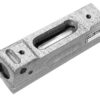
POLDI Portable Impact Hardness Tester – Brinell Method – ČSN 25 0290
سختیسنج ضربهای POLDI مطابق استاندارد ČSN 25 0290 یک دستگاه مکانیکی، قابلحمل و اقتصادی برای تعیین سختی فلزات به روش مقایسهای Brinell (HB) و بهدستآوردن استحکام کششی معادل از طریق جداول تبدیل است.
این دستگاه برای آزمایش قطعات بزرگ، سنگین یا قطعاتی که امکان انتقال آنها به دستگاه سختیسنج ثابت وجود ندارد، بسیار مناسب است و میتوان از آن در کارگاه، محل مونتاژ، محل نصب و سایر محیطهای صنعتی استفاده کرد.
در روش آزمون POLDI، یک گوی فولادی سختشده به قطر 10 میلیمتر بین قطعه مورد آزمایش و یک میله فولادی مرجع کالیبرهشده قرار میگیرد. با وارد کردن یک ضربه چکش، بهطور همزمان روی قطعه آزمایش و میله مرجع فرورفتگی ایجاد میشود.
قطر فرورفتگیها توسط ذرهبین اندازهگیری بررسی شده و با استفاده از جداول مربوطه، مقدار سختی Brinell (HB) و استحکام کششی معادل تعیین میشود.
با استفاده از میله مرجع فولادی با استحکام حدود 70 kg/mm²، طبق اطلاعات فنی POLDI:
این دستگاه برای تعیین سختی Brinell در مواد مختلف از جمله موارد زیر کاربرد دارد:
برای برخی فولادهای آستنیتی و غیرمغناطیسی، از جمله برخی فولادهای نیکلدار، منگنزدار و کروم-نیکل، محدودیت کاربرد وجود دارد.
هر میله مرجع کالیبرهشده برای حدود 40 آزمون قابل استفاده است.
POLDI Pocket Hardness Tester
Type : Brinell
Mounting: portable
Product applications: metal, for aluminum, copper, for steel
Other characteristics: mechanical
Poldi Hardness Tester Standard Kit Includes: Hardness Tester, steel piece for approximately 40 measurements, magnifier, hardness table, carrying case
The Poldi hardness tester is the simplest and most economical device for measuring hardness according to Brinell and determining tensile strength of engineered and tool steels, dies, forgings, railway material, beams, sheets, pipes, cast steel and various parts of steel, as well as determining hardness according to Brinell for cast bronze, aluminum, brass, copper, grey and chilled cast iron.
The Poldi hardness tester allows the user to perform the impact test with the help of a hammer almost anywhere including: workshops, at assembly sites or any other places. Brinell hardness and tensile strength can be seen in commonly available conversion tables.
When the POLDI hardness tester uses the check test piece made of steel having the strength of 70 kg/mm2, the deviation of the tensile strength converted from the Brinell hardness compared to the real tensile strength in steel having the strength of 50-100 kg/mm2 is maximum ± 3 %. In case of milder types of iron and steel and steel having the strength of 100-150 kg/mm2 (e.g. with hardened, heat treated and high alloyed steels) it is a maximum of ± 5 %. With the strength of 150 – 200 kg/mm2, inaccuracy under certain conditions can be even a little higher.